
Off-the-beaten-path treks in Nepal: the complete guide
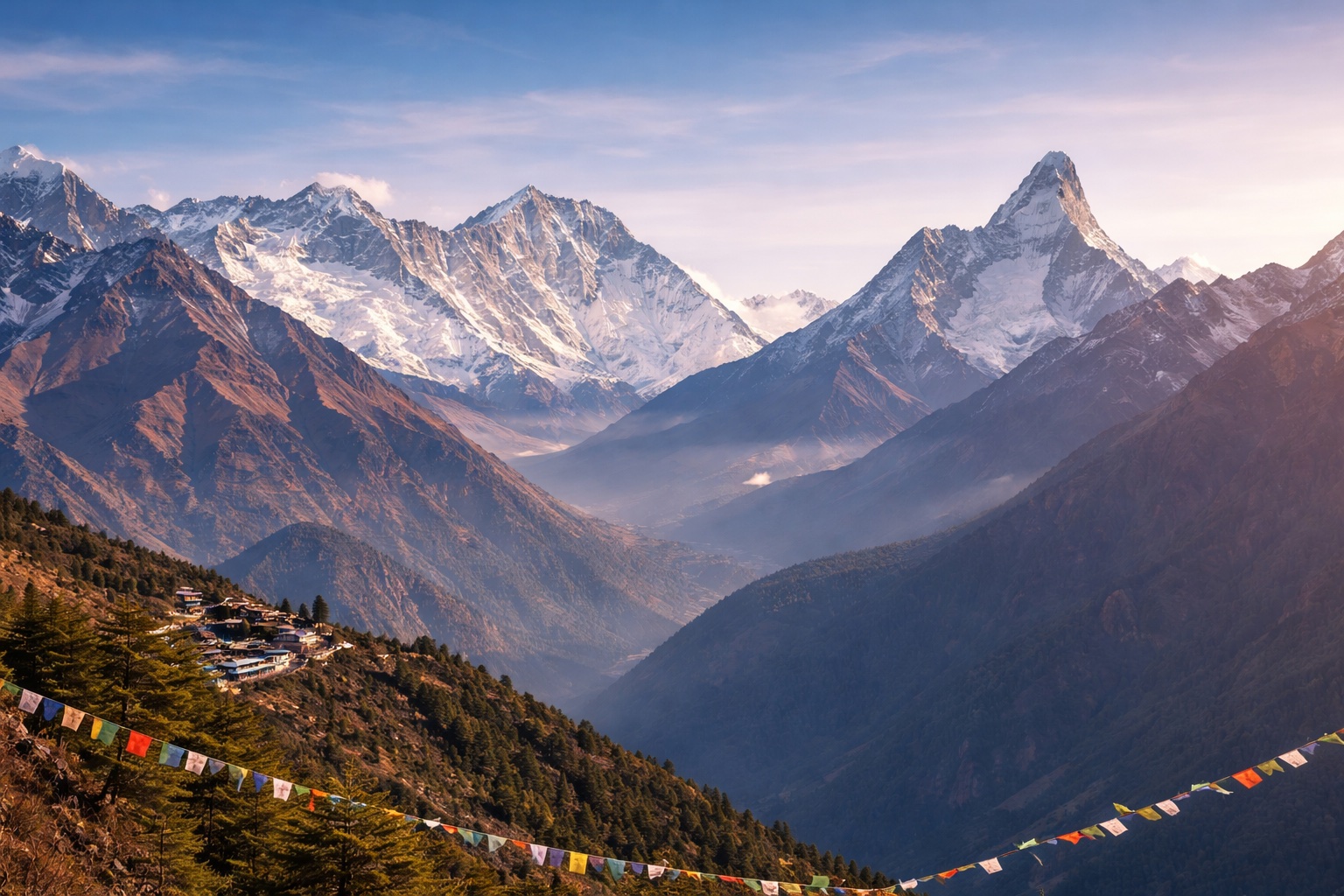
The Everest and Annapurna trails are famous for good reason, but in peak season they can be busy. If you want quiet trails, authentic villages and the feeling of real wilderness, Nepal still has plenty of remote treks: hidden valleys behind the Annapurnas, the base camps of Kangchenjunga and Makalu, the wild far west and Buddhist valleys that only opened to visitors in recent decades.
This guide introduces Nepal's best off-the-beaten-path treks, what makes them different, and how to prepare.
What makes a trek "remote"?
Remote treks usually share a few features: fewer trekkers, simpler lodges or camping, longer approaches by road or flight, and often a restricted area permit that must be arranged by a registered agency, with a licensed guide. In return, you get quiet trails, villages where tourism is still new, and mountain scenery you share with very few people.
Kangchenjunga and Makalu: the eastern giants
Kangchenjunga Base Camp visits both the north and south base camps of the world's third-highest mountain, through Limbu and Sherpa villages, rhododendron forest and glacial valleys. It is long and demanding, but one of the finest treks in Nepal. Further west, the Makalu Base Camp trek climbs from subtropical valleys through the Makalu Barun National Park to the foot of the fifth-highest peak. See our guides to Kangchenjunga and Makalu.
Hidden valleys of the Annapurna and Manaslu regions
The Nar Phu valley, a restricted area off the Annapurna Circuit, has medieval stone villages, monasteries and dramatic canyons. The Tsum valley, a sacred Buddhist valley near the Tibetan border, is known for its nunneries and mani walls, and can be combined with the Manaslu Circuit on our Manaslu and Tsum Valley trek. Read our guides to Nar Phu and Tsum.
Dhaulagiri: a true wilderness trek
The Dhaulagiri Circuit is one of the toughest treks in Nepal, crossing glaciers and the high passes of French Pass and Dhampus Pass around the seventh-highest mountain in the world. It is for experienced trekkers, with camping on the high section. See our Dhaulagiri guide.
The far west: Rara and Phoksundo
Western Nepal sees very few visitors. Rara Lake, Nepal's largest lake, lies in a quiet national park of pine forest and meadows. In Dolpo, Shey Phoksundo Lake is famous for its turquoise water and the Buddhist village of Ringmo. See our guides to Rara and Phoksundo.
Quieter routes in famous regions
You can also find quiet trails in well-known areas: the old route to Everest from Jiri, as Hillary and Tenzing walked it; Panchase near Pokhara; and the forests and lakes around Khopra Danda.
Accommodation and food
On most remote treks, lodges are simpler than on the main routes, with basic rooms and limited menus, and on some sections, such as the high Dhaulagiri Circuit, we camp. Charging and Wi-Fi may be unavailable for days. Bring a good sleeping bag, spare batteries and a few snacks from home.
Permits
Many of these treks are in restricted areas, such as Nar Phu, Tsum, Upper Dolpo and parts of Kangchenjunga and Manaslu. These permits must be arranged through a registered trekking agency and require a licensed guide. Conservation area or national park permits are also needed. We arrange everything; see our permits guide.
Fitness and experience
Remote treks are often longer and harder than the classic routes, with long walking days, steep climbs and fewer facilities. Some previous trekking experience at altitude is a big advantage. Train with long hill walks and stairs for two to three months beforehand.
Best time
Autumn (late September–November) and spring (March–May) are best for most remote treks. Rain-shadow areas such as Nar Phu and Dolpo can also be trekked in the monsoon. See our monsoon treks.
Book a remote trek with Himalayan Hiking
Our guides know these routes well and we handle permits, flights and logistics. Contact us to choose the right remote trek for your experience and dates.