
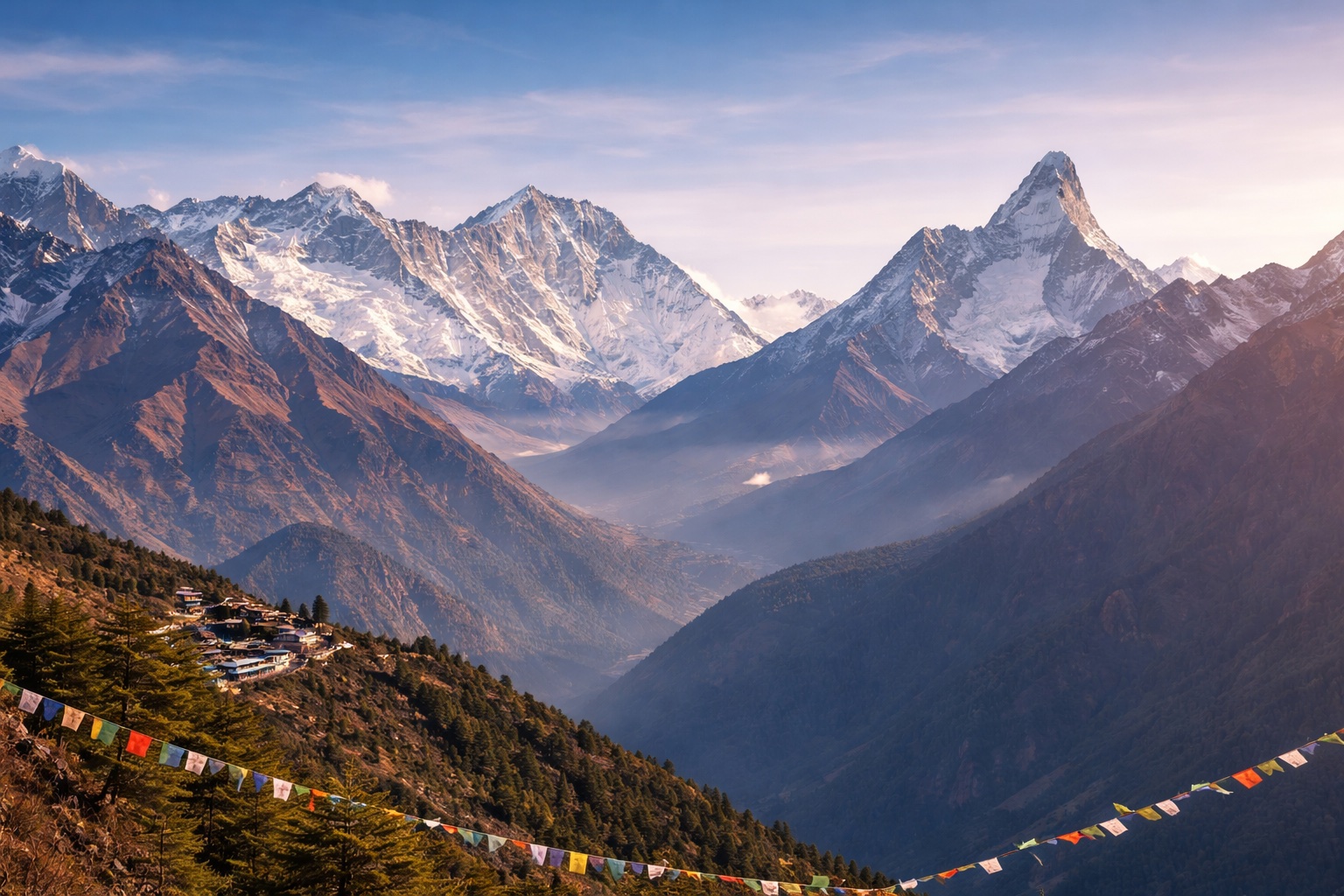
Wetlands of Nepal: the complete guide
Nepal's ten Ramsar wetlands range from marshes on the Ganges plain to sacred lakes high in the Himalaya. They are vital for birds, fish and people, and beautiful places to visit.
Nepal's Ramsar sites
- Koshi Tappu: Nepal's first Ramsar site and a top birding destination.
- Beeshazari Lake: an oxbow lake system in Chitwan.
- Ghodaghodi Lake: a lake complex in the far west.
- Jagadishpur Reservoir: in Kapilvastu, important for waterbirds.
- Lake Cluster of Pokhara Valley: including Begnas and Rupa.
- Rara Lake: Nepal's largest lake.
- Phoksundo Lake: turquoise water in Dolpo.
- Gokyo Lakes: high in the Everest region.
- Gosainkunda: sacred lakes in Langtang.
- Mai Pokhari: a sacred lake in Ilam.
Best time
November–March brings migratory ducks, geese, waders and cranes to the lowland wetlands. High lakes are best visited from April to November.
Visit
See our Koshi Tappu birdwatching tour, Begnas Lake walk and treks to Gokyo, Gosainkunda, Rara and Phoksundo.