Langtang Valley Trek
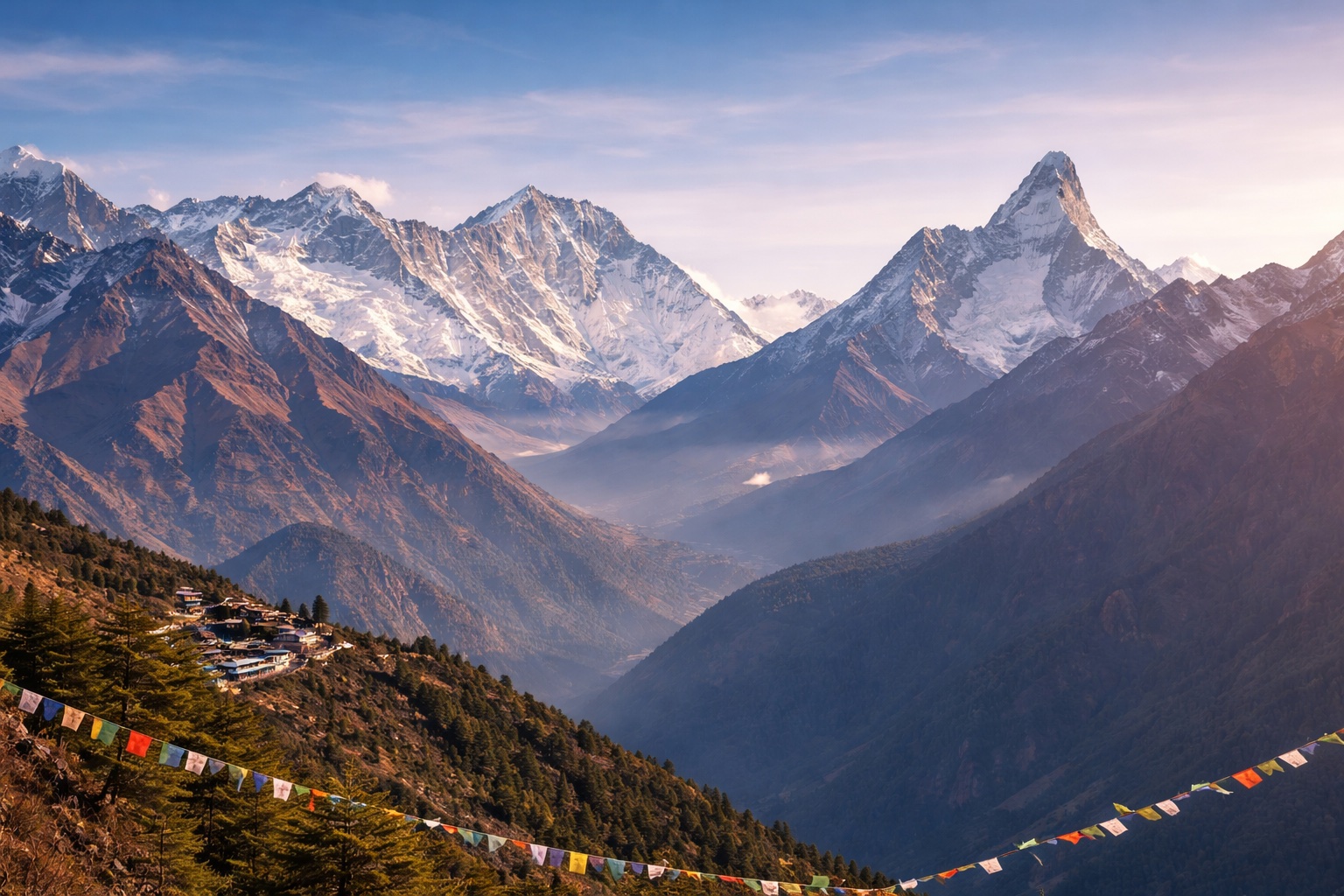
The Langtang Valley trek is a 10-day guided trek from Kathmandu into Langtang National Park, the closest major Himalayan trekking area to the capital. After a scenic drive to Syabrubesi, you follow the Langtang River through forest, Tamang villages and yak pastures to the monastery village of Kyanjin Gompa (3,870 m), beneath Langtang Lirung (7,227 m), and climb Kyanjin Ri (4,773 m) for a panorama of glaciers and peaks.
The trek needs no domestic flights, is graded moderate and fits into a week and a half, making it one of the best-value and most accessible treks in Nepal. The best time is March–May and September–November. A licensed guide, porters, the national park permit, private transport and teahouse lodges with meals are all arranged by our team in Kathmandu.
Trip highlights
- Kyanjin Gompa (3,870 m), a monastery village beneath Langtang Lirung
- Panoramic views from Kyanjin Ri (4,773 m)
- Tamang villages, mani walls and water-driven prayer wheels
- Forests of Langtang National Park, home to the red panda
- Yak cheese from the Kyanjin cheese factory
- No domestic flights: a scenic drive from Kathmandu
Short itinerary
View detailed itinerary- Day 1 Arrival in Kathmandu (1,400 m) 1,400 m
- Day 2 Drive to Syabrubesi (1,460 m) 1,460 m
- Day 3 Trek to Lama Hotel (2,470 m) 2,470 m
- Day 4 Trek to Langtang village (3,430 m) 3,430 m
- Day 5 Trek to Kyanjin Gompa (3,870 m) 3,870 m
- Day 6 Hike to Kyanjin Ri (4,773 m) 4,773 m
- Day 7 Trek to Lama Hotel (2,470 m) 3,870 m
- Day 8 Trek to Syabrubesi (1,460 m) 2,470 m
- Day 9 Drive to Kathmandu (1,400 m) 1,400 m
- Day 10 Final departure 1,400 m
Langtang Valley Trek overview
Just north of Kathmandu, close to the Tibetan border, the Langtang valley is one of the most beautiful and accessible trekking areas in Nepal. Within three days of leaving the road you are walking through a wide glacial valley among yak pastures, prayer walls and snow peaks over 7,000 metres. The valley is home to Tamang and Tibetan-origin communities whose culture, food and hospitality are a highlight of the trek.
The trek also has a moving recent history. The 2015 earthquake triggered a huge landslide that destroyed the old village of Langtang. Since then, families have rebuilt their homes and lodges, and trekking here directly supports the valley's recovery.
Langtang Valley trek at a glance
| Trip fact | Details |
|---|---|
| Duration | 10 days from Kathmandu (7 days of trekking) |
| Highest overnight stop | Kyanjin Gompa, 3,870 m |
| Highest point | Kyanjin Ri, 4,773 m (optional Tserko Ri, about 4,984 m) |
| Grade | Moderate |
| Daily walking | 5–6 hours |
| Start and finish | Kathmandu, by road to Syabrubesi |
| Accommodation | Hotel in Kathmandu, teahouse lodges on the trek |
| Permit | Langtang National Park entry permit |
| Best time | March–May and September–November |
Why trek the Langtang Valley?
- Close to Kathmandu: no mountain flights, just a scenic drive.
- Kyanjin Gompa, a monastery village among glaciers and yak pastures.
- Kyanjin Ri (4,773 m), with a 360° view of Langtang Lirung and the surrounding peaks.
- Tamang culture, Buddhist monasteries and mani walls.
- Wildlife of Langtang National Park, including langur monkeys and, if you are lucky, the red panda.
- Yak cheese from the Kyanjin cheese factory.
The Langtang trek route
A drive of about seven to eight hours takes you from Kathmandu past Trishuli Bazaar and Dhunche to Syabrubesi. The trail follows the Langtang Khola upstream through subtropical forest to Lama Hotel, then climbs through oak and rhododendron to Ghoda Tabela, where the valley widens. You continue past water-driven prayer wheels and long mani walls to the rebuilt village of Langtang and on to Kyanjin Gompa.
A full day at Kyanjin allows a climb of Kyanjin Ri or, for fit trekkers, Tserko Ri, as well as a visit to the monastery and cheese factory. The return follows the same valley down to Syabrubesi and back to Kathmandu.
How difficult is the Langtang Valley trek?
The trek is moderate. Walking days are 5–6 hours on good trails, with a steady ascent over the first three days. The highest overnight stop is 3,870 m, which is lower than on Everest or Annapurna Base Camp treks, and the climbs to Kyanjin Ri and Tserko Ri are optional. The road to Syabrubesi is long and winding, but we use private vehicles for comfort.
Altitude and acclimatisation
The trail gains height quickly from Syabrubesi at about 1,460 m to Kyanjin Gompa at 3,870 m in three days. We walk at a steady pace, keep the climbs to Kyanjin Ri and Tserko Ri for the rest day, and return to sleep at Kyanjin. Drink plenty of water and tell your guide about any headache or nausea.
Best time for the Langtang trek
Spring (March–May) brings rhododendrons to the forests, and autumn (September–November) the clearest views. Winter is possible, with cold nights and occasional snow at Kyanjin. The monsoon brings rain, leeches and a higher risk of landslides on the road, so plans need to be flexible.
Accommodation and food
You stay in family-run teahouses, many rebuilt after the earthquake and simple but clean. Try the yak cheese, Tibetan bread and butter tea at Kyanjin, and the freshly baked cakes in its small bakeries. Dal bhat, noodles, soups and potatoes are available everywhere.
Langtang or Everest?
Choose Langtang if you have 10 days or less, want to avoid the Lukla flight, prefer quieter trails and enjoy village culture. Choose the Everest Base Camp trek if you want to see Everest and have two weeks or more. Langtang offers 7,000-metre peaks and glaciers at a lower cost and with less travel time.
Extending the trek
With extra days, continue from Thulo Syabru over the Laurebina La to the sacred lakes of Gosainkunda, and on through Helambu back towards Kathmandu, or add the Tamang Heritage Trail with its homestays and hot springs.
Why book the Langtang trek with Himalayan Hiking?
- Private transport to and from Syabrubesi.
- Rest day at Kyanjin Gompa for Kyanjin Ri or Tserko Ri.
- Local guides who know the valley and its communities.
- Flexible extensions to Gosainkunda, Helambu or the Tamang Heritage Trail.
Day-by-day itinerary
What’s included
Included
- Airport pick-up and drop-off in private vehicles
- 2 nights in a hotel in Kathmandu with breakfast
- Private vehicle Kathmandu – Syabrubesi – Kathmandu
- Langtang National Park entry permit
- Teahouse lodge accommodation during the trek (7 nights)
- Breakfast, lunch and dinner during the trek
- Licensed, English-speaking trekking guide trained in first aid
- Porters (1 porter for 2 trekkers) with their wages, food, lodging and insurance
- Sleeping bag and down jacket on loan if needed
- First-aid kit carried by the guide
- All government and local taxes
Not included
- International flights to and from Kathmandu
- Nepal visa fee
- Travel insurance covering trekking to 5,000 m and helicopter evacuation (compulsory)
- Lunch and dinner in Kathmandu and Pokhara
- Drinks, snacks, hot showers, battery charging and Wi-Fi on the trek
- Extra nights caused by early return, flight delays, landslides or cancellations
- Helicopter evacuation or charter
- Personal equipment and expenses
- Tips for your guide and porters
Useful info
Fitness and preparation
If you can walk 15 km with a few hundred metres of climbing and do it again the next day, you are in good shape for this trek. Start training two to three months ahead, and break in your boots before you fly.
Altitude sickness
This trek reaches 3,870 m at Kyanjin Gompa and 4,773 m on the optional climb of Kyanjin Ri. Symptoms of acute mountain sickness include headache, nausea, dizziness, loss of appetite and poor sleep. Walk slowly, drink 3–4 litres of water a day, avoid alcohol and tell your guide about any symptoms. If symptoms get worse, descending is the most effective treatment. Talk to your doctor before the trip about whether altitude medication is right for you.
Weather and temperatures
The lower forest can be warm and humid, while nights at Kyanjin Gompa fall below freezing, especially from November to February. The monsoon brings rain and landslide risk on the road.
Permits
The Langtang National Park entry permit is included and checked at the park entrance and along the trail.
Money, charging and Wi-Fi
Take out cash in Kathmandu or Pokhara before you set off: there are very few ATMs on the trail, and the ones that exist often don't work. Lodges charge a little for hot showers, charging and Wi-Fi, so a power bank saves money.
Drinking water
Bring a refillable bottle and either purification tablets or a filter. Lodges also sell boiled water, which is cheaper and better for the trail than bottled water.
Travel insurance
Travel insurance is compulsory. It must cover trekking to 5,000 m, medical treatment and emergency helicopter evacuation. Please send us your policy details before departure.
Visa
Most visitors get a tourist visa on arrival at Kathmandu airport, or apply online before they fly. Your passport needs six months' validity, and bring a few passport photos for trekking permits.
Packing list
Clothing
- Moisture-wicking base layers
- Fleece jacket or mid-layer
- Warm down jacket (can be borrowed from us)
- Waterproof and windproof jacket and trousers
- Trekking trousers and shirts
- Warm hat, sun hat and buff
- Liner gloves and insulated gloves
- Trekking socks
Footwear
- Broken-in waterproof trekking boots
- Camp shoes or sandals for the lodges
Equipment
- Sleeping bag rated to about −10°C (can be borrowed from us)
- Daypack of 25–35 litres with rain cover
- Trekking poles
- Head torch with spare batteries
- Water bottles and purification tablets
- Sunglasses with UV protection
- Power bank and charging cables
- Leech socks (spring and monsoon)
Personal items
- High-factor sunscreen and lip balm
- Personal first-aid kit and medication
- Toiletries, quick-dry towel and wet wipes
- Snacks such as energy bars and nuts
- Passport, insurance details and copies
Add-ons & trip options
Choose add-ons and quantities on the booking form.
More trip options, quoted on request:
- Gosainkunda and Laurebina La extension (4–5 extra days).
- Tamang Heritage Trail with homestays and hot springs (4–5 extra days).
- Tserko Ri instead of Kyanjin Ri for fit trekkers.
- Private trek on your own dates.
Frequently asked questions
This itinerary takes 10 days from Kathmandu, with 7 days of trekking, including a rest day at Kyanjin Gompa.
It is moderate, with 5–6 hours of walking a day and a maximum overnight altitude of 3,870 m. The climb to Kyanjin Ri is optional.
No. Langtang is reached by road from Kathmandu, a drive of about 7–8 hours to Syabrubesi. This makes it one of the most affordable treks in Nepal.
The highest overnight stop is Kyanjin Gompa (3,870 m). The highest point is the optional climb of Kyanjin Ri (4,773 m), or Tserko Ri (about 4,984 m).
March–May and September–November. Winter is possible but cold at Kyanjin; the monsoon brings rain and landslides on the road.
The Langtang National Park entry permit, included in this trip.
Under Nepal's current rules, you need a licensed guide to trek in most national parks. A licensed guide and porters are included.
Yes. It is a great first Himalayan trek for fit beginners, with no flights, moderate daily distances and a manageable altitude.
Yes. The valley has been rebuilt, lodges are open and the trail is in good condition. Visiting supports the families who rebuilt their homes and businesses.
Red pandas live in the forests of Langtang National Park, but they are shy and rarely seen. Langur monkeys, Himalayan tahr and many birds are more common sightings.
Yes. The Langtang–Gosainkunda trek adds about 4–5 days, crossing the Laurebina La to the sacred lakes.
The trek is priced per person, with group discounts for 2 or more; see the price box. It includes private transport, hotel, permit, lodges, meals on the trek, a guide and porters.